
In recent years, the demand for natural functional ingredients has grown significantly across the food, nutraceutical, and health industries. Consumers and manufacturers alike are increasingly seeking plant-based alternatives to synthetic additives, particularly for functions such as antioxidant protection and microbial control.
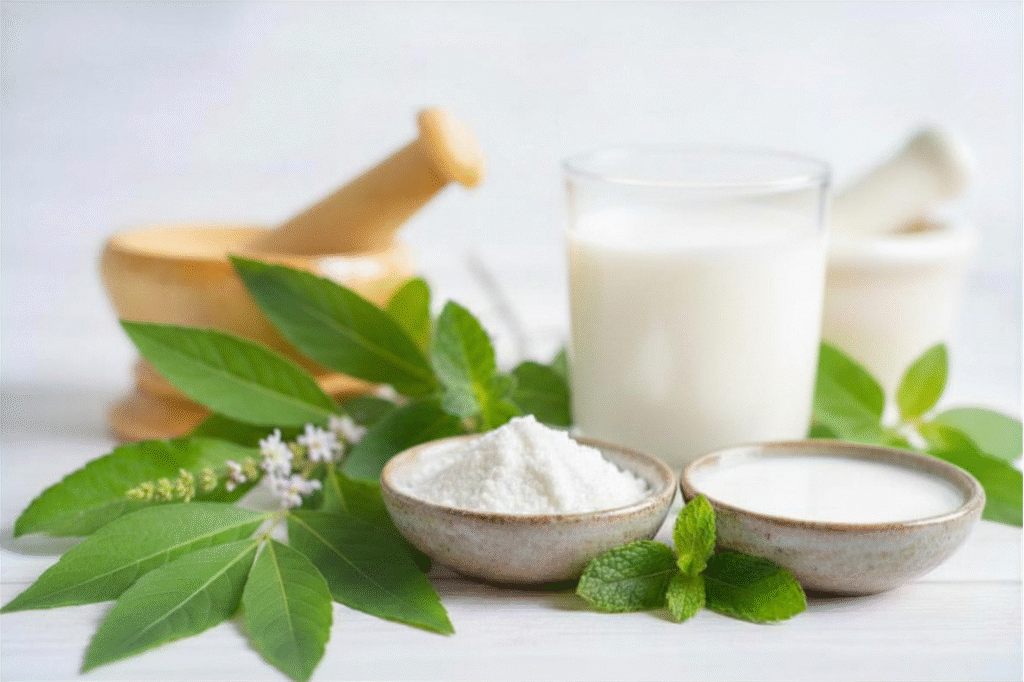
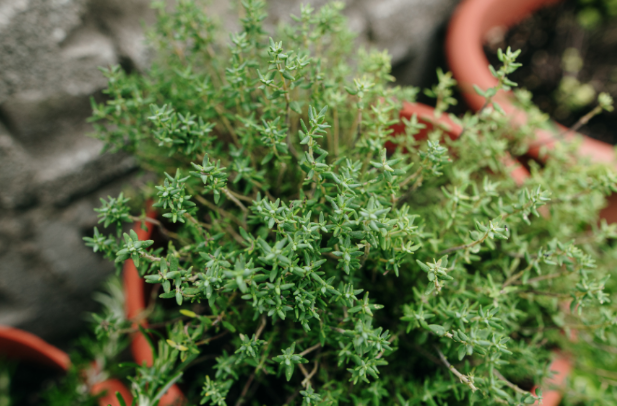
One herb that has gained considerable scientific attention is thyme (Thymus vulgaris). Known for its distinctive aroma and culinary use, thyme is also recognized for its strong biological activities, especially its antioxidant and antimicrobial properties.
These properties make thyme an interesting candidate for applications ranging from natural preservation systems to botanical health products.
Bioactive Compounds in Thyme
The biological activity of thyme is mainly attributed to its essential oils and phenolic compounds. Among the most studied bioactive components are:
- Thymol
- Carvacrol
- p-cymene
- γ-terpinene
These compounds contribute significantly to the antioxidant and antimicrobial effects observed in thyme extracts.
Due to this rich phytochemical profile, thyme is widely explored as a functional botanical ingredient for various industrial applications.
Natural Antioxidant Activity
Oxidative processes can negatively affect both food quality and biological systems. Lipid oxidation, for example, can lead to spoilage, nutrient loss, and reduced product stability.
Research shows that thyme extract exhibits strong antioxidant activity, largely due to its phenolic constituents such as thymol and carvacrol. These compounds can:
- Neutralize free radicals
- Inhibit lipid oxidation
- Act as hydrogen donors
- Bind metal ions that promote oxidation
Because of these mechanisms, thyme is frequently studied as a natural antioxidant alternative to synthetic additives in food and health-related applications.
Broad-Spectrum Antimicrobial Properties
In addition to its antioxidant capacity, thyme also demonstrates strong antimicrobial activity.
Compounds such as thymol and carvacrol are known to interact with microbial cells by:
- Disrupting cell membrane integrity
- Altering membrane permeability
- Causing leakage of intracellular components
These effects can inhibit microbial growth and, in some cases, lead to microbial cell death.
Studies have shown that thyme extracts exhibit activity against several pathogenic microorganisms, including:
- Escherichia coli
- Staphylococcus aureus
- Salmonella
- Pseudomonas aeruginosa
as well as certain fungal species.
Potential as a Natural Preservative
Because thyme combines antioxidant and antimicrobial functions, it has attracted attention as a potential natural preservative.
Research suggests that thyme extracts may help:
- Reduce lipid oxidation in food systems
- Control microbial growth
- Extend the shelf life of certain products
This dual functionality makes thyme particularly relevant in the development of clean-label and plant-based ingredient solutions.
Conclusion
Scientific research indicates that thyme (Thymus vulgaris) is a promising natural source of antioxidant and antimicrobial compounds. Its bioactivity is largely attributed to phytochemicals such as thymol and carvacrol, which can help inhibit oxidative processes and control microbial growth.
With these combined properties, thyme continues to gain attention as a versatile botanical ingredient for applications in food systems, nutraceutical products, and plant-based preservation strategies.
Source
Nieto G. A Review on Applications and Uses of Thymus in the Food Industry. Plants (Basel). 2020 Jul 30;9(8):961.