
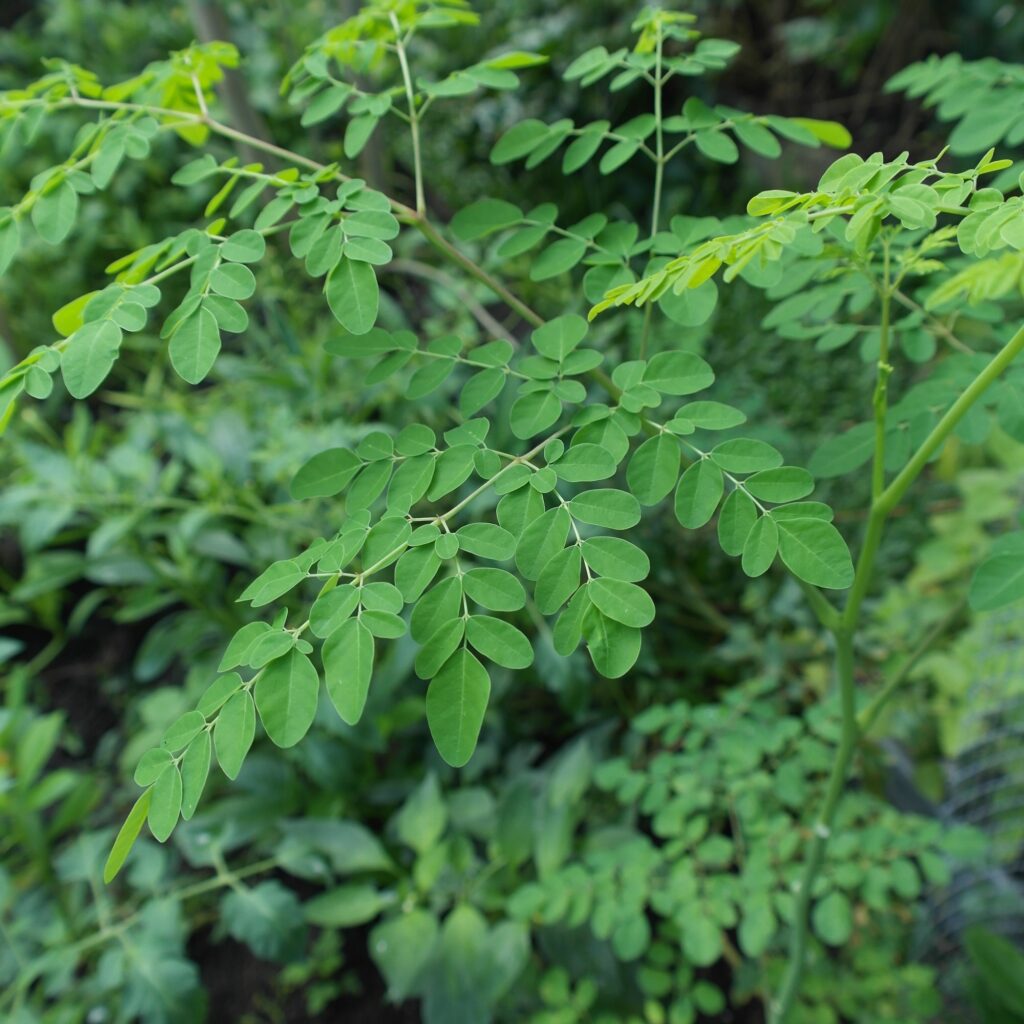
Metabolic disorders, chronic inflammation, and oxidative stress are among the leading contributors to modern degenerative diseases. Interestingly, one plant long used in traditional medicine is now strongly supported by scientific research: Moringa oleifera, widely known as the “Miracle Tree.”
According to recent findings published in the International Journal of Molecular Sciences (IJMS, 2023), moringa demonstrates multi-target pharmacological activities that support metabolic, cardiovascular, and inflammatory balance.
What Makes Moringa a “Miracle Tree”?
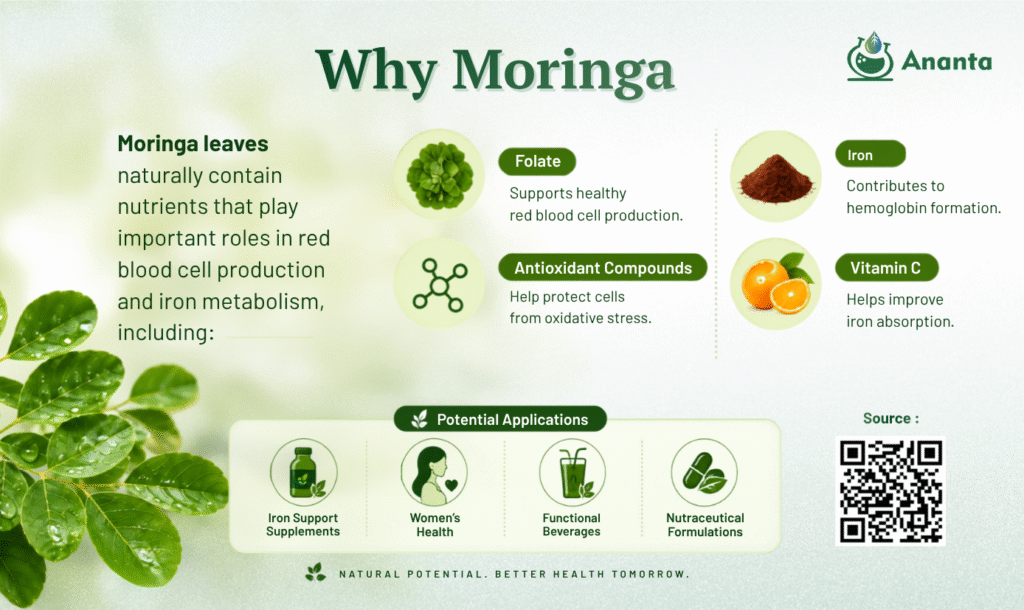
Moringa leaves are exceptionally rich in:
• Polyphenols
• Flavonoids
• Isothiocyanates
• Phenolic acids
• Vitamins and minerals
• Essential amino acids
Key bioactive compounds identified include:
• Quercetin
• Kaempferol
• Chlorogenic acid
• Glucosinolates
• Isothiocyanates
These compounds contribute to antioxidant, anti-inflammatory, antidiabetic, hepatoprotective, and cardioprotective effects.
How Moringa Works in the Body
A. Antioxidant Defense Mechanism
Moringa significantly reduces oxidative stress by:
• scavenging reactive oxygen species (ROS)
• increasing endogenous antioxidant enzymes (SOD, CAT, GPx)
• reducing lipid peroxidation
➡ Result: Protection against cellular damage and aging-related degeneration.
B. Anti-Inflammatory Regulation
Bioactive compounds in moringa modulate inflammatory pathways by:
• inhibiting NF-κB signaling
• suppressing pro-inflammatory cytokines (TNF-α, IL-6)
• reducing COX-2 expression
➡ Result: Lower systemic inflammation and improved immune balance.
C. Blood Glucose & Metabolic Control
Research indicates moringa helps regulate glucose metabolism by:
• improving insulin sensitivity
• inhibiting carbohydrate-digesting enzymes
• modulating AMPK signaling pathways
➡ Result: Better glycemic control and metabolic stability.
D. Cardiovascular Protection
Moringa supports heart health through:
• improving lipid profile (↓ LDL, ↓ triglycerides)
• reducing oxidative stress in vascular tissue
• enhancing endothelial function
➡ Result: Reduced cardiovascular risk and improved circulation.
Why Moringa Is Considered a Multi-Pathway Botanical
Unlike single-target compounds, moringa acts on oxidative stress, inflammation, metabolism, and cardiovascular regulation simultaneously.
This multi-mechanistic action makes moringa extract highly suitable for:
• metabolic syndrome formulations
• blood sugar support supplements
• cardiovascular health products
• anti-inflammatory nutraceuticals
• functional food applications
Moringa is not only nutrient-dense — it is a scientifically validated botanical with systemic therapeutic potential.
Source
International Journal of Molecular Sciences (2023). Comprehensive review on the pharmacological and molecular mechanisms of Moringa oleifera. IJMS 24, 02098.